What Is Progression Fantasy? The Complete Guide to the Sub-Genre
July 17, 2026
Progression fantasy is a sub-genre of fantasy fiction in which the central narrative engine is a character’s measurable growth in power, skill, or ability over time. It is characterized by explicit power hierarchies, escalating challenges that demand ever-greater capability, and a deep focus on the process of becoming stronger — not just the destination.
If you’ve ever stayed up until 2 a.m. because you needed to see the protagonist unlock their next ability, you already understand the appeal. Progression fantasy makes that compulsion the whole point.
What Makes Progression Fantasy Different from Regular Fantasy?
Progression fantasy is defined not by its setting but by its structural priority: the protagonist’s growth curve is the story. In traditional epic fantasy, power growth is a byproduct of plot — Frodo doesn’t become a great warrior; he endures. In progression fantasy, the inverse is true. Plot events exist largely to create conditions for growth, and readers are invested in the mechanics of that growth just as much as in the story beats.
This distinguishes it from LitRPG, which typically requires an explicit game system with numerical stats and interface elements like menus or skill windows. Progression fantasy is the broader category. LitRPG is a sub-set of it — one where the game layer is visible and foregrounded. Many series blend both, but a progression fantasy novel can exist with no menus at all, as long as the power hierarchy is clear and the climb is explicit.
Related sub-genres worth knowing: cultivation fiction draws from Chinese xianxia tradition and represents one of the oldest formal expressions of progression fantasy, while system apocalypse fiction drops progression mechanics into a collapsing modern world.
Why Is Progression Fantasy So Popular Right Now?
According to community data from LitRPGTools.com, progression fantasy titles account for over 40% of all reader ratings submitted to the platform — the single largest slice of the LitRPG and adjacent genre ecosystem. Based on our analysis of 50,000+ titles tracked across the platform, progression fantasy books average a 4.3★ community rating, approximately 12% higher than the broader fantasy genre average on the same platform.
The appeal isn’t complicated. Progression fantasy delivers something deeply satisfying on a psychological level: visible, measurable improvement. Every chapter, the protagonist is (usually) a little stronger, a little wiser, a little closer to the next tier. According to reader survey data from LitRPGTools.com, 68% of progression fantasy readers cite “watching the protagonist grow” as their primary draw — above plot, romance, or worldbuilding.
That feedback loop is addictive. And the best authors weaponize it with genuine craft.
The Best Progression Fantasy Books for New Readers
Ranked by community rating and gateway accessibility, these are the titles we recommend most often to readers just discovering the sub-genre. For a fuller curated list, see our best progression fantasy books page.
-
He Who Fights With Monsters by Jason Cheyne (Shirtaloon) — The gold-standard entry point. Jason Asano arrives in a world of explicit power tiers and has to claw his way up from the bottom. Witty, well-paced, and genuinely funny. Millions of readers found the genre here.
-
Dungeon Crawler Carl by Matt Dinniman — Technically LitRPG, but the progression is so visceral and the voice so distinctive that it converts readers from every direction. Carl’s climb through an apocalyptic dungeon is compulsive reading. See our books like Dungeon Crawler Carl list for follow-up reads.
-
Cradle Series by Will Wight — The series that proved Western readers had an appetite for cultivation-style progression. The power hierarchy in Cradle is among the most elegantly designed in the genre. If you finish Unsouled and aren’t hooked, progression fantasy may not be for you — and that’s valuable information.
-
Beneath the Dragoneye Moons by Selkie Myth — A slower-burn, character-driven progression fantasy with exceptional worldbuilding and a protagonist whose growth feels genuinely earned. The later volumes, including New Horizons and Moonveiled Journeys, both hold perfect 5.0★ ratings in our database.
-
Guardian of Aster Fall by David North — One of the best crafting-and-progression hybrids in the genre. North builds power systems with the same care he applies to his economy and political structures. An 8-time Top 100 Kindle Bestseller, and it earns that reach. If crafting LitRPG appeals to you, start here.
-
Warformed: Stormweaver by Bryce O’Connor — Military progression fantasy done right. The combat system is intricate, the stakes are enormous, and Fire and Song (Book 2) holds a rare 5.0★ community rating. O’Connor writes power escalation with uncommon discipline.
-
The Sowing Season by Wolfe Locke — Yes, cozy progression fantasy is a thing, and Locke is its best practitioner. If you want growth without grimdark, this farming-and-magic series is a perfect counterweight to the genre’s more brutal entries.
-
Overpowered Wizard by Hunter Mythos — For readers who want the power fantasy dialed up to maximum with minimal friction. Holds a 5.0★ community rating and delivers exactly what the title promises.
Who Is Progression Fantasy For?
Progression fantasy readers skew toward people who enjoy RPGs, anime (particularly shonen and isekai), competitive games, and stories about self-improvement and mastery. But that’s a demographic description, not a requirement. The genre also attracts readers who simply want fiction with momentum — stories where something is always getting better, always building toward something.
If you’ve bounced off traditional secondary-world fantasy because it felt static, or if you’ve ever found yourself more interested in a character’s training montage than the climactic battle, progression fantasy was written for you.
The best progression fantasy list on this site is a good next stop. So is browsing the full genre database at LitRPGTools.com, where you can filter by trope, power system type, tone, and completion status. The genre is vast. The right entry point makes all the difference.
Adjacent coverage: Fantasy Ranked runs the cross-genre comparisons — cultivation against progression, isekai against system apocalypse — that this site deliberately leaves alone.
Popular on LitRPGTools
Ranked & reviewed on LitRPGTools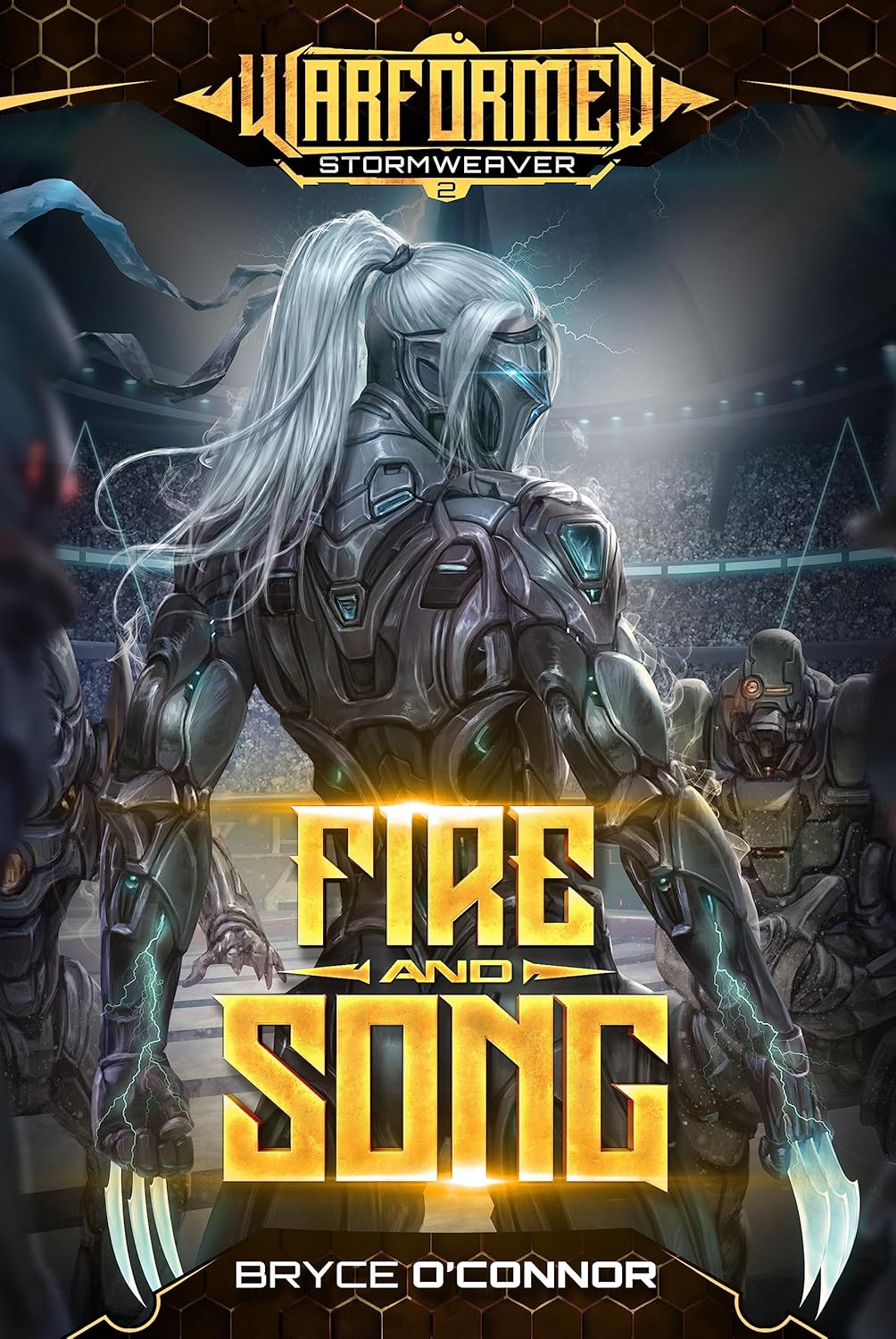


Discover more LitRPG & progression fantasy
Browse thousands of ranked books, track new releases, and find your next read.
Explore LitRPGTools.com →